


A quotation for an old detector’s replacement can list the instrument, accessories and installation. Scheduling the work also brings in control-panel settings, monitoring during the outage, data integration and confirmation before the system returns to use. If these matters are discussed only after delivery, the replacement may stall between teams: the equipment has arrived, but the next task is still waiting for someone to take it on.
Treating replacement as work that must be handed over makes its scope clearer. It begins with why the existing equipment no longer meets the need, and ends when the new detector, control system, users and maintenance staff connect properly. This article discusses project information and decisions. Actual installation, testing and return to service remain tasks for people with the relevant competence, working under site procedures.
State the reason for replacement before defining the solution
Equipment age may prompt the project, but is not a complete requirement. Are failures increasing, sensing elements difficult to obtain, maintenance burdensome, or process conditions changing? Different causes justify different scopes. Replacing the instrument in the same position might address discontinued parts without solving a changed monitoring objective.
Build a record of the current arrangement: instrument and sensing-element models, point identifiers, target gas, range, power, outputs, connected control equipment, and available calibration and repair history. The purpose is not more paperwork; it is to ensure everyone discusses the same equipment. Photographs help identify nameplates and locations, but still need comparison with drawings, physical equipment and records.
Where documentation is incomplete, list the unknowns and assign someone to establish them. An assumption that the old arrangement can simply be retained must not become an unverified design condition. What a contact currently controls, or where a cable runs, requires site confirmation and updated documentation. A purchase order cannot replace that work.
Also review changes to the process, layout and working methods. New obstructions, altered ventilation or relocated equipment may justify another look at the original monitoring arrangement. This does not mean redesigning an entire factory for every replacement. It means identifying which conditions remain, which have changed, and who confirms that boundary.
Make suppliers answer the same question
Comparable inquiry information needs more than quantities and delivery dates. State target substances, monitoring purpose, environment, existing interfaces and expected deliverables. If one quotation includes equipment and installation while another includes control-system changes and acceptance documents, the difference is not simply a product-price difference. Align the work boundaries before comparing prices.
Compare sensing technologies within the operating conditions too. Catalytic-bead, infrared and other methods have their own scope; a different technology name does not automatically mean a better replacement. Suppliers should explain suitability for the target substance and concentration range, influential substances or conditions, and the evidence available. These questions invite more useful answers than asking whether sensitivity is high.
Interface compatibility deserves particular clarity in an existing system. Matching output names do not establish identical range mapping, fault indications, alarm logic or displays. The equipment supplier and control-system owner can jointly confirm a signal-mapping document: how the receiving system interprets states, who implements and approves setting changes, and who retains the version record.
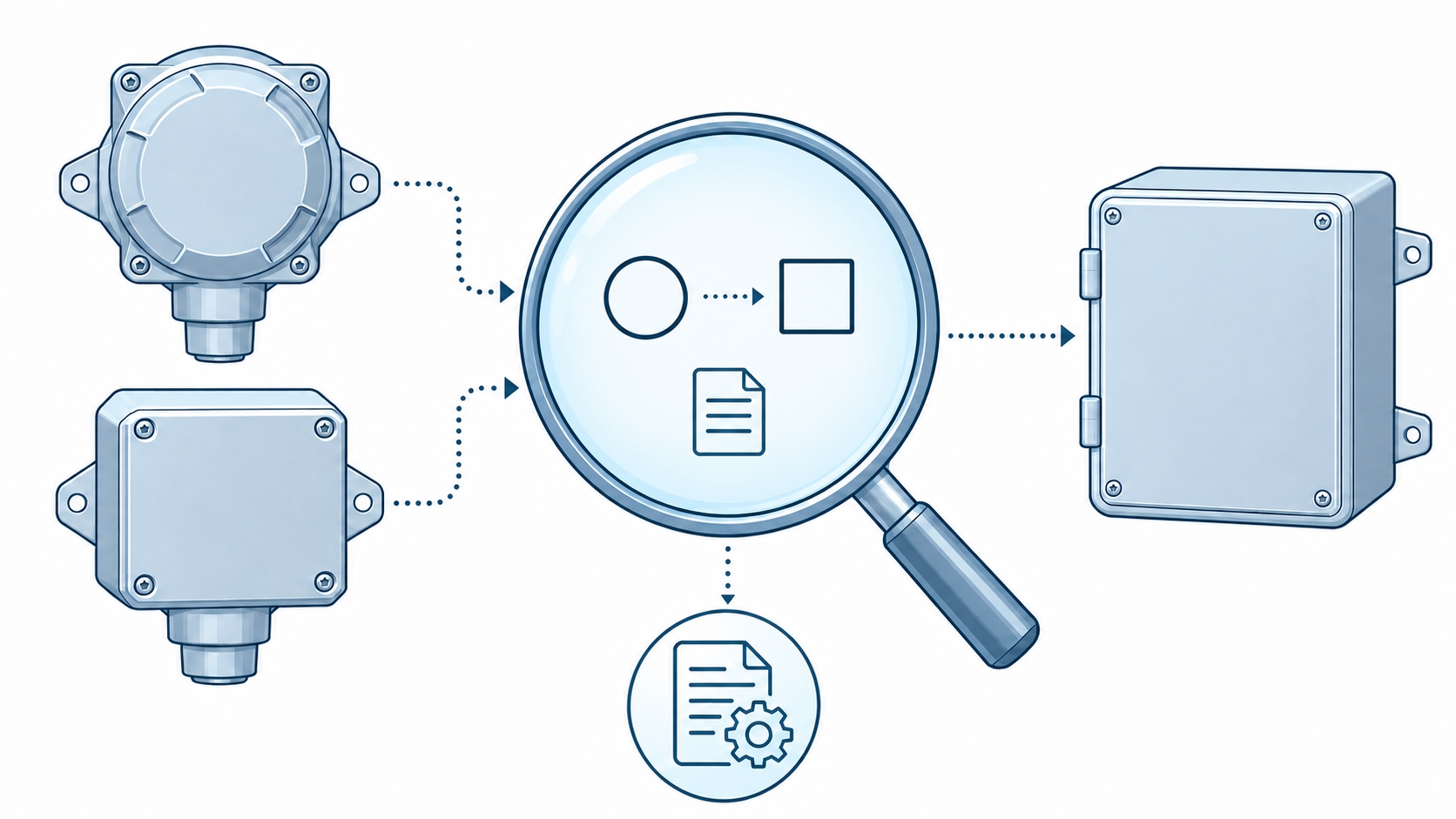
Explosion-protection suitability needs comparison with the actual hazardous-area classification and equipment configuration. Taiwan OSHA’s installation guidance connects classification, selection, installation and maintenance, while defining its own scope. Supporting documentation should therefore identify more than a brand or product family. The responsible people need to check the project model, accessories and installation conditions against applicable local requirements.
Contractor assessment can also focus on the actual work. Alongside relevant experience and qualifications, establish who surveys the site, handles the control system, performs tests and reports discrepancies. Where different organizations share these tasks, agree on interfaces and contacts in advance. These are project-coordination arrangements, not a claim that every facility has the same legally prescribed qualification checklist.
An outage window needs more than a date
Consider a hypothetical replacement with separate detector and control-system contractors and a single planned outage window. If the control-system specialist receives the new instrument information only after installation, on-time delivery may still not allow completion that day. The delay arises at the boundary between tasks: the information one task should have delivered did not reach the next in time.
Work backwards from the conditions for return to use. Who must witness acceptance, which documents need prior review, when will equipment and accessories be confirmed available, when must settings information be ready, and what conditions require postponement? Dependencies reveal potential obstacles more clearly than asking everyone to meet the schedule.
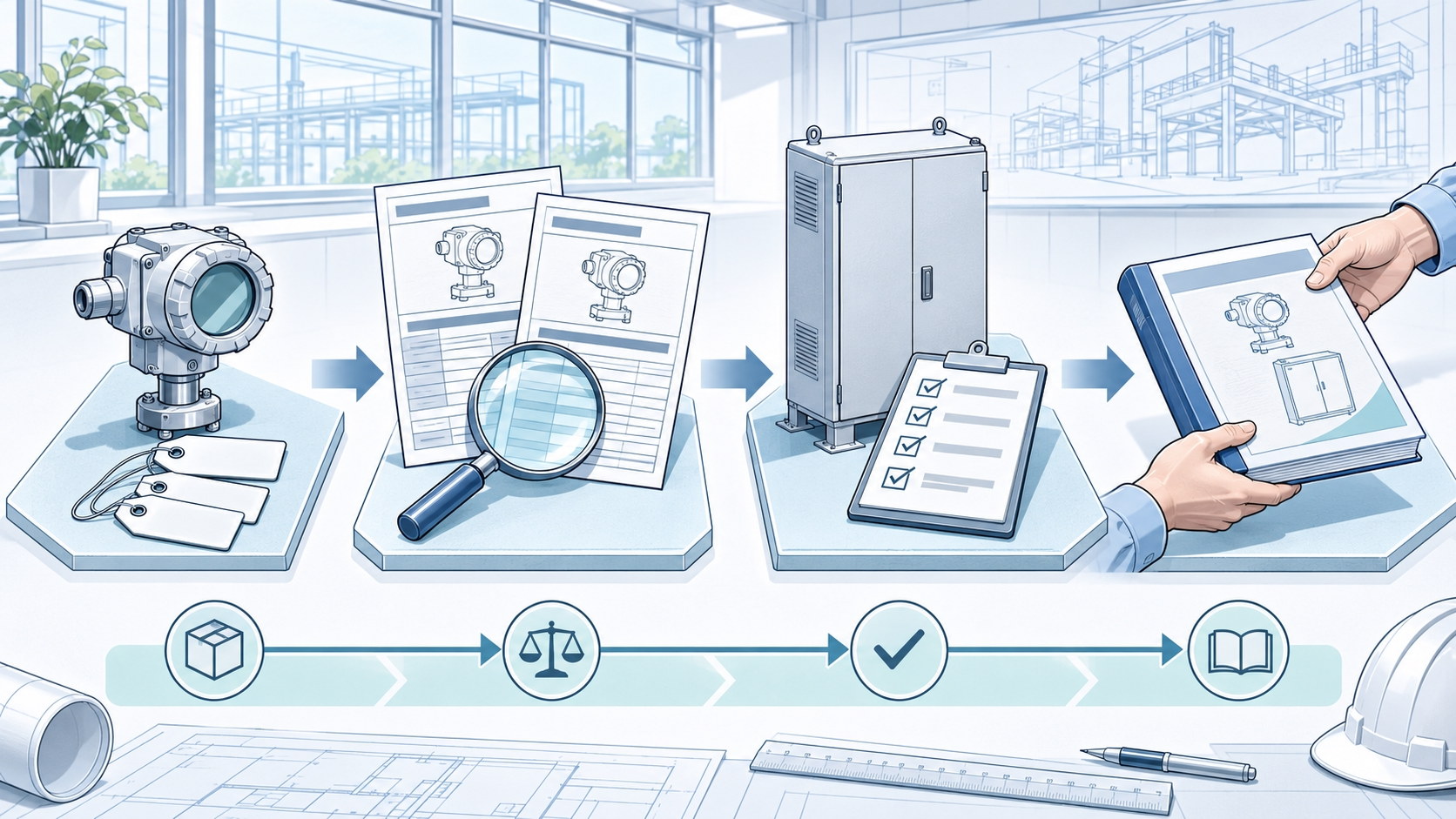
How existing monitoring will be maintained or suspended during work belongs in the site’s risk assessment and work arrangements. Decisions on shutdown, alternative monitoring and authority to restore service cannot be based on purchase price or installation convenience alone. The work and safety plan needs prior approval, with wiring and alarm-setting procedures matched to the project equipment, system design and operating conditions.
Plan for work that cannot be completed as expected. If site checks reveal incompatible interface information, missing accessories or unsatisfactory test results, who decides to stop and revise the plan? What status will the existing system and new equipment be left in? Agreeing on these situations identifies who can resolve them, rather than allowing work already started to become a reason to press ahead.
Follow the signal during acceptance, not just the instrument display
Draft acceptance requirements before purchasing, then confirm them with the relevant parties before installation. Equipment identity, location, configuration, documents and system functions can each have a check, evidence requirement and signatory. This document records agreed deliverables. Applicable legal or design requirements must also be included explicitly; a generic checklist cannot substitute for them.
At the equipment level, confirm that the supplied model, elements and accessories match the project, with relevant documents and manuals matching the physical items. At the system level, check whether information reaches the intended displays and records, how abnormal equipment states appear, and whether designed alarm or control functions have been verified. A normal instrument display does not confirm every downstream link.
UK HSE guidance treats detection capability, alarm reception, maintenance and human response as parts of one system. Following that perspective, include the people who will operate and maintain it in acceptance. Do they understand the differences from the old equipment, recognize states and know how to report abnormalities? They are the people who will actually take over.
Function testing, calibration checks and calibration need arrangements appropriate to the equipment and acceptance objective. The supplier should propose procedures, reference gases and accessories for review and execution by the responsible people, with records retained. Gases, concentrations and procedures need to match the actual model. Acceptance records should identify the date, equipment, method and results so that the next person can trace each verification.
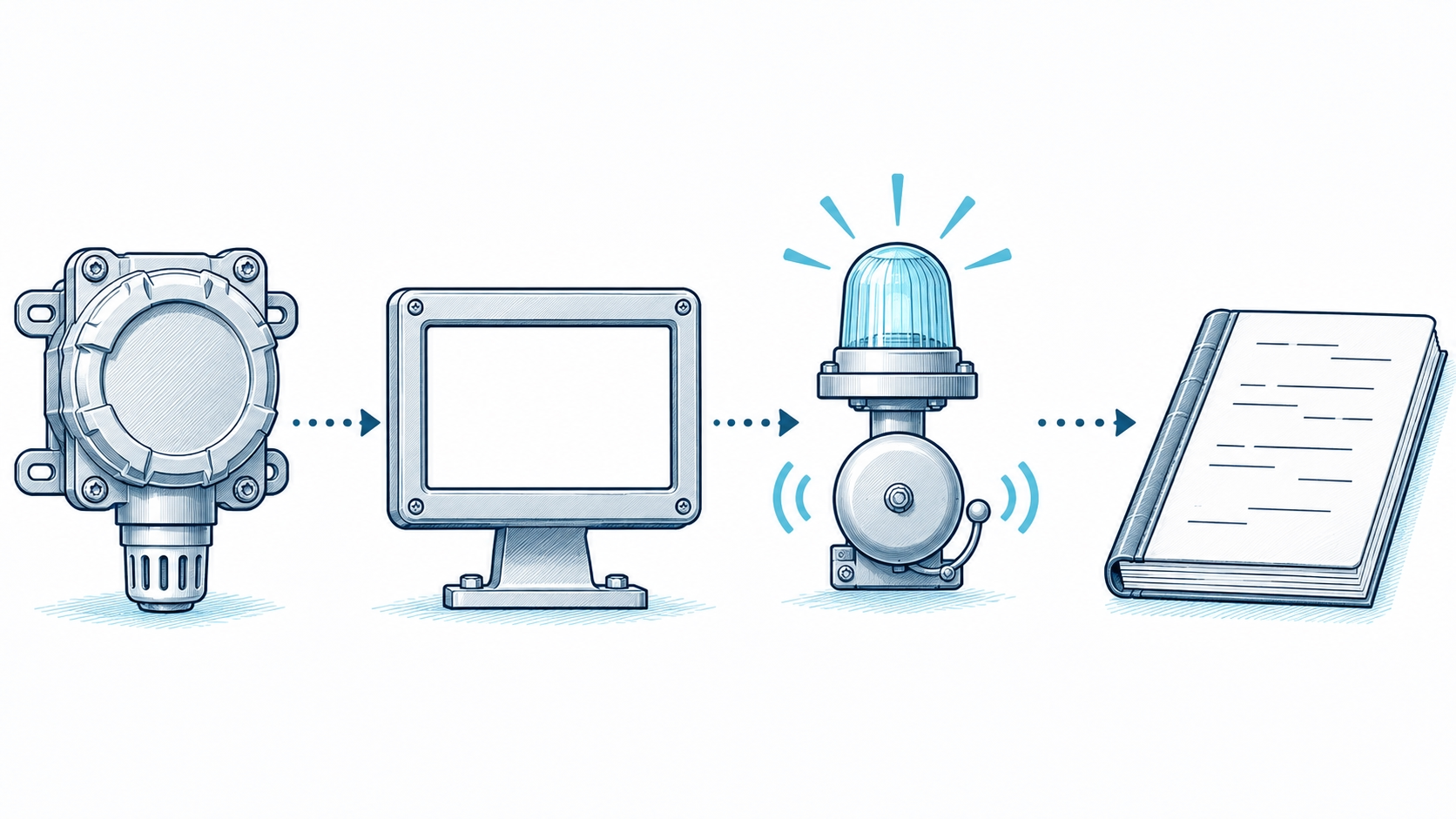
For incomplete items, keep a discrepancy and action record showing the impact, responsible person, deadline and follow-up verification. A late document and an unverified necessary function have different implications. Authorized people need to decide whether conditions for return to use are met. Equipment receipt, installation completion and authorization to operate should also be distinguished in project management.
Handover documents should help the next maintainer
Look ahead six months and imagine someone else taking over. Where will that person find point drawings, the equipment list, current settings, test records and warranty contacts? If the information is still scattered across personal messaging accounts, a gap remains in the handover. Keeping documents in a location the organization can maintain, with versions and owners identified, means the next person need not reconstruct events from one colleague’s memory.
Drawings and lists must reflect the completed installation. If location, accessories or settings changed during work, final documents need corresponding revisions instead of preserving only the original quotation-stage plan. The next investigation or replacement should not have to guess which version exists on site.
Training can follow everyday tasks: recognizing equipment states, reviewing and handing over records, reporting faults and arranging maintenance under approved procedures. Having actual users confirm that they can perform these tasks tests handover more effectively than an attendance sheet alone. Specialist testing and repair still need clear assignment to appropriately competent people.
Turn after-sales service into traceable arrangements
Warranty duration is one question. Coverage, separately charged consumables and who provides service are others. Also clarify sensing-element availability, arrangements during repairs, maintenance documentation and the extent of training. These terms are easier to settle at quotation stage than after discovering different interpretations of after-sales service.
Maintenance intervals need to reflect the model, environment, use and applicable requirements. New equipment is not a reason to inherit the old schedule automatically. Keeping inspection, calibration, abnormal-event and replacement records, with review by responsible people, helps establish whether service arrangements match actual use rather than merely occupying dates in a calendar.
The end of a replacement can be judged from the next person’s position: the original reason has been addressed, equipment and system differences have been checked, unfinished matters have owners, and users or maintainers can find the information. The handover then leaves more than a new instrument and an invoice. Planning backwards from that outcome connects quotation, installation, acceptance and handover into a complete piece of work.
References
- Taiwan OSHA: Guidance on Electrical Equipment in Explosive Hazardous Areas
- UK HSE: Leak / Gas Detection
- UK HSE: The Selection and Use of Flammable Gas Detectors
- US OSHA: Calibrating and Testing Direct-Reading Portable Gas Monitors
MTI巨晶彙審