
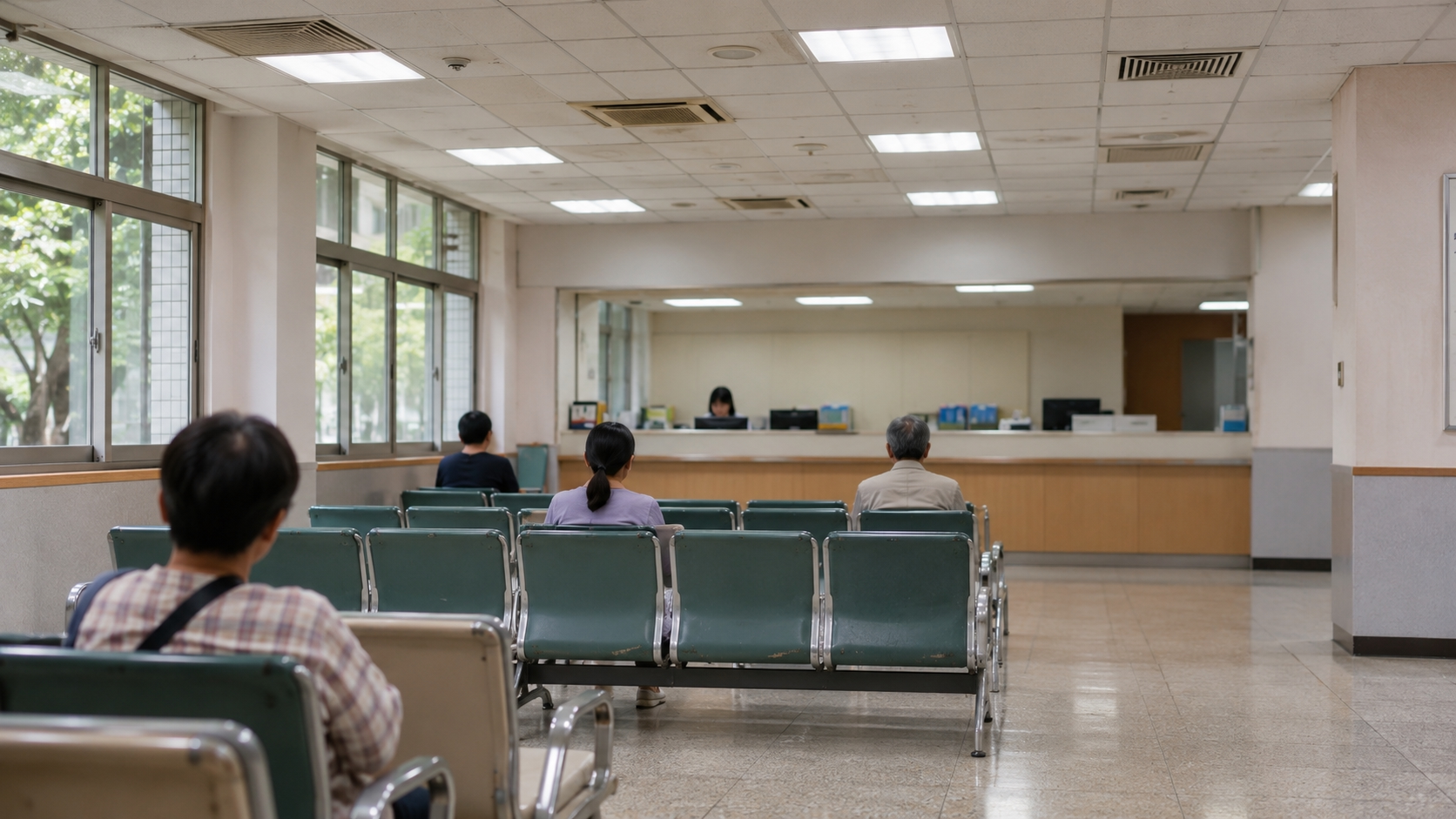

Suppose you manage a public-service office preparing to apply for an indoor air quality self-management label. Two quotations arrive: one for monitoring instruments and one for testing services. Both concern air readings, but their deliverables differ. Establishing what the premises need to demonstrate and who will maintain management afterwards makes it easier to match each task with the arrangement it needs.
Applying for the label connects two lines of work: completing testing and review to the applicable specifications, and managing ventilation, pollution sources and daily use. The first makes management results available for assessment; the second helps sustain them. Planning both early allows the work already done to be checked before submission, with less last-minute reconstruction.
Establish the premises’ status before choosing a label level
The Ministry of Environment’s label has Good and Excellent levels. Under the current implementation directions, Good requires compliance with its label specifications and the Indoor Air Quality Standards; Excellent requires compliance with its higher-level specifications and air quality better than those standards. Buying more instruments or promising improvements does not itself secure an upgrade. The municipal or county/city authority grants the right to use the label after reviewing the application against the specifications.
Both designated and non-designated premises may be eligible. That does not mean every space can apply with the same documents. The applicant’s legal status, premises category, application boundary and applicable specifications must first be checked against the current announcements. An office could begin by identifying the agency or legal entity, address, floors, air-conditioning zones and management responsibilities, then confirm eligibility with its local environmental protection bureau. A building’s name alone is not enough.
“Designated premises” is another term that can cause confusion. Taiwan’s Indoor Air Quality Management Act lists categories of public and private premises, with the central authority assessing and designating them in successive announcements. A school, shopping centre or office is not automatically covered by identical requirements merely because of its name. Matching the announcement criteria to the actual premises establishes the legal duties already in place.
For designated premises, the law separately provides for a maintenance and management plan, dedicated personnel, periodic testing and publication of results. The label is a voluntary management scheme. Obtaining it still requires attention to those duties and any applicable adjustments. Equally, not applying for a label does not remove existing obligations. Checking designation and label eligibility as two distinct questions helps prevent either from being overlooked.
Use inspections to understand the site, and formal testing to meet application requirements
Return to the office and place inspection times within actual use. An early-morning reading from an empty room tells little about the afternoon service peak. Recording occupancy, activities, air-conditioning operation and window or door conditions helps identify periods and zones worth investigating. These are management leads; without the applicable methods and conditions, they do not directly demonstrate compliance throughout the premises.
Different pollutants also call for different lines of inquiry. Carbon dioxide can help reveal the relationship between occupancy and ventilation, but it does not represent every indoor pollutant. Cleaning products, fit-out materials and particles entering from outdoors can raise different issues. Treating a stable reading for one indicator as a reason to ignore all others narrows the investigation too early.
The Ministry of Environment’s application guide connects self-inspection, improvement and maintenance, planning, commissioned testing and submission. This sequence puts an understanding of the site before formal testing. If a zone repeatedly shows an abnormality, managers can examine its use and equipment, record the response and then discuss compliant testing arrangements with the testing body, rather than beginning the investigation only after a failed result.

The report required for an application involves the testing organisation’s qualifications, applicable methods, parameters and sampling arrangements. The current directions require a Ministry-recognised testing organisation to test under the relevant management regulations and issue a report. Designated premises may use qualifying periodic-test documentation from the preceding year under the stated provision. A direct-reading inspection log and that formal report serve different purposes. Procurement and service specifications should state which deliverable is required.
Improvement means more than lowering a reading once
If problems during peak visiting hours relate to crowding and air exchange, the manager needs to understand the air-conditioning and outdoor-air arrangements before choosing an improvement. If a specific cleaning activity or material is involved, source management may be more relevant than simply buying equipment. The Ministry’s guide includes source reduction, ventilation and administrative measures. The choice at a particular premises should follow site observations and professional assessment.
Consider a hypothetical improvement record. Rather than saying only “ventilation increased”, it can identify the affected zone, activities at the time, inspection findings, measures taken and subsequent observations under comparable use conditions. Even when questions remain, the next person responsible can see which part still requires investigation.
A maintenance and management plan must remain useful after it enters the application file: personnel need to locate equipment, know who inspects it and know who handles abnormalities. An air-conditioning layout copied from another building or responsibilities assigned to someone who has left cannot guide daily work, however complete the file appears. Matching the plan to actual operation provides a basis for subsequent records.
Managers can also organise handovers by role: facilities staff track contractors and documents, site staff report changes in use, and appropriately qualified personnel interpret technical issues. This is one workable way to divide responsibilities, not a fixed statutory staffing structure. A small premises and a large mixed-use building may allocate work differently, but both need to be able to locate the responsible person and original records when an issue arises.
Check that documents agree, not merely that they exist
Under the directions revised on 8 July 2026 and checked for this revision, application materials include the application form, a declaration and supporting explanation concerning the absence of violations of relevant legislation during the preceding year, establishment or registration documents, a test report and appropriate maintenance and management records. Designated premises also need evidence concerning dedicated personnel. The complete submission must still be checked against local authority requirements and the applicable specifications; this description is not a substitute for the official application checklist.
When organising documents, begin with their shared fields: applicant, address, floors, testing coverage and any changes in use. Checking these early makes the relationships between documents easier to explain at submission. A report covering one zone cannot simply be used to describe the entire building; its scope must be stated even when the numbers are complete.

The directions distinguish a non-designated premises submitting a maintenance plan and a commitment to implement it from a designated premises providing evidence that it has carried out management and maintenance under its plan. Keep that distinction when assembling the documents. Authorities may require missing or nonconforming materials to be corrected within a deadline. After submission, someone must still receive notices, answer questions and retain revised versions. Submission is not the end of the process.
Receiving the label starts a continuing management calendar
The current directions give Excellent labels a three-year term and Good labels a two-year term. Continued use requires an extension application in the window from six to three months before expiry; late applications are treated as new applications. Inspection and periodic-testing schedules also differ: Excellent calls for inspections every six months and periodic testing every three years; Good requires an inspection within the two months before each periodic test, with periodic testing every two years. Recording the applicable dates at the application stage is easier than reconstructing the records close to expiry.
Validity periods, inspection and testing frequencies must also be checked against other requirements applicable to the premises. Authorities conduct follow-up checks during use, and rules govern display, renewal and failure to meet specifications. Management must continue after the label is awarded; receiving it cannot guarantee indoor air quality at every future moment.
Premises also change. Additional counters, refurbishment, different activities or changes to air-conditioning may require existing arrangements to be reconsidered. For designated premises, the Act requires immediate review and revision of the maintenance and management plan when a change in indoor use affects air quality. In everyday operations, arranging for change notices to reach the responsible person deserves as much attention as retaining a test report.
The two quotations are now easier to place within the work: inspections help reveal problems, formal testing supplies the required evidence, and the management plan connects people with equipment. Preparing an application can begin with these relationships. When the work leaves continuing records, the label at the entrance is supported by daily management that can be examined and traced.
References
- Ministry of Environment: IAQ Self-Management Label implementation directions, revised 8 July 2026
- Laws and Regulations Database: Indoor Air Quality Management Act
- Ministry of Environment: Label application and improvement guide
MTI巨晶彙審